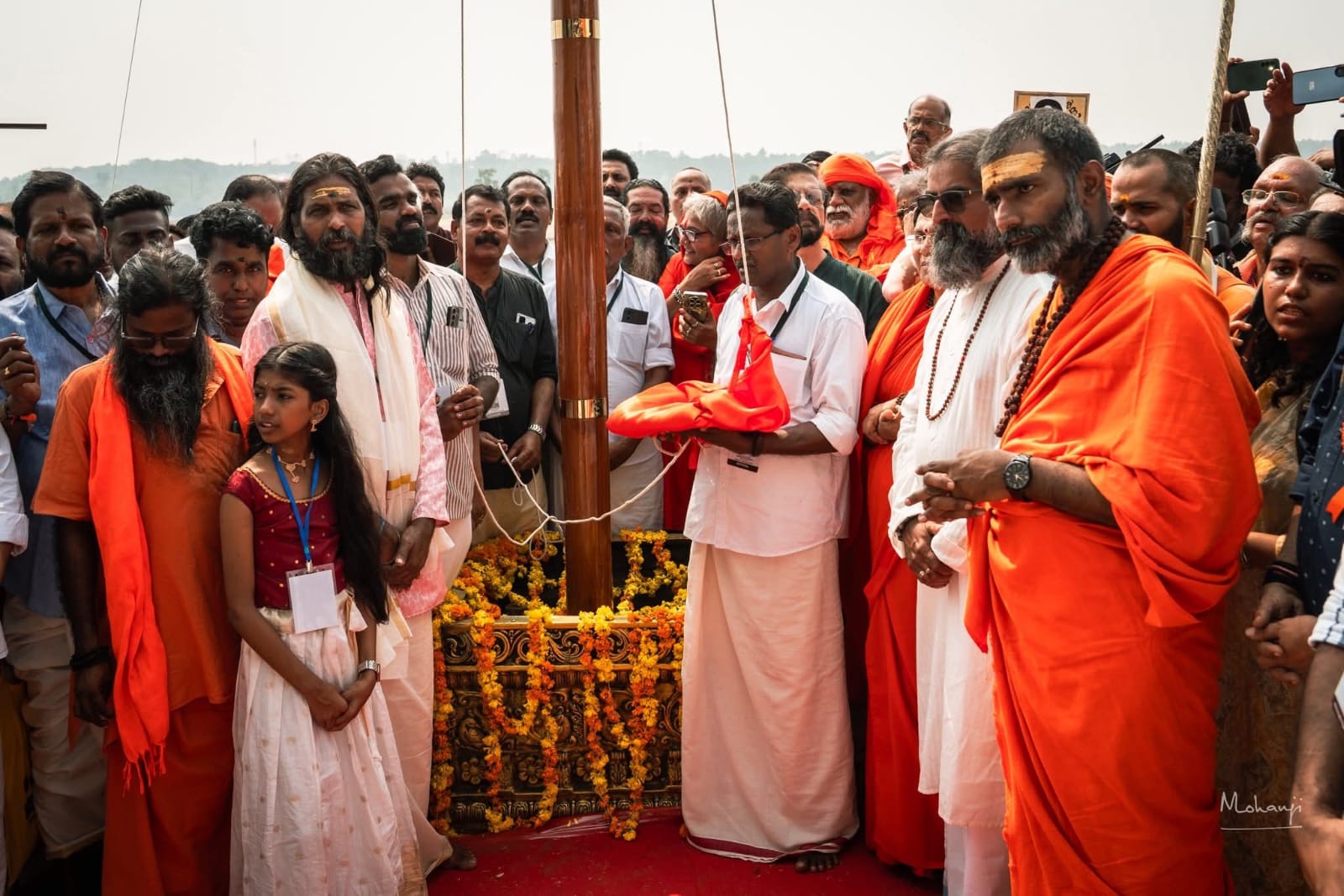
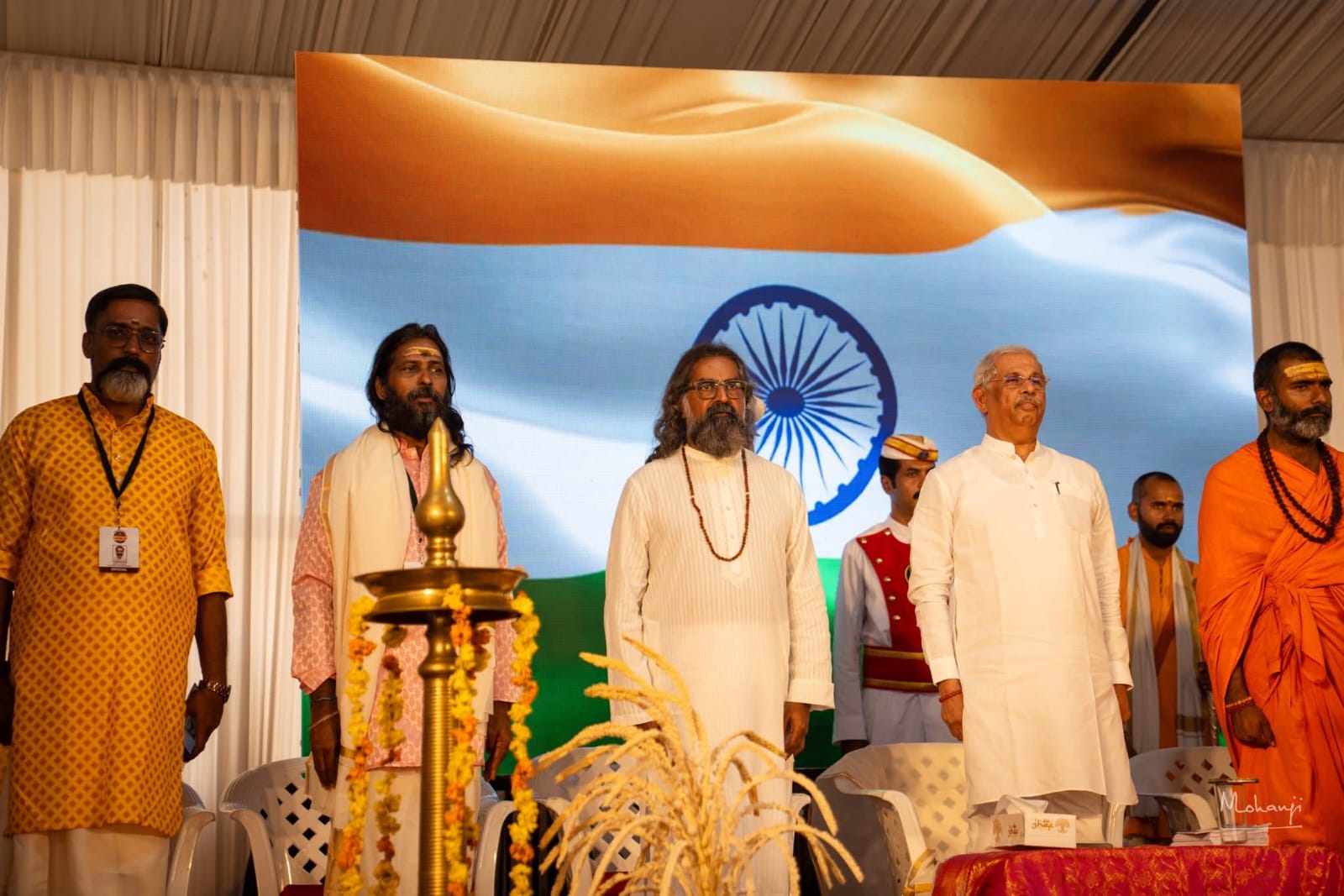
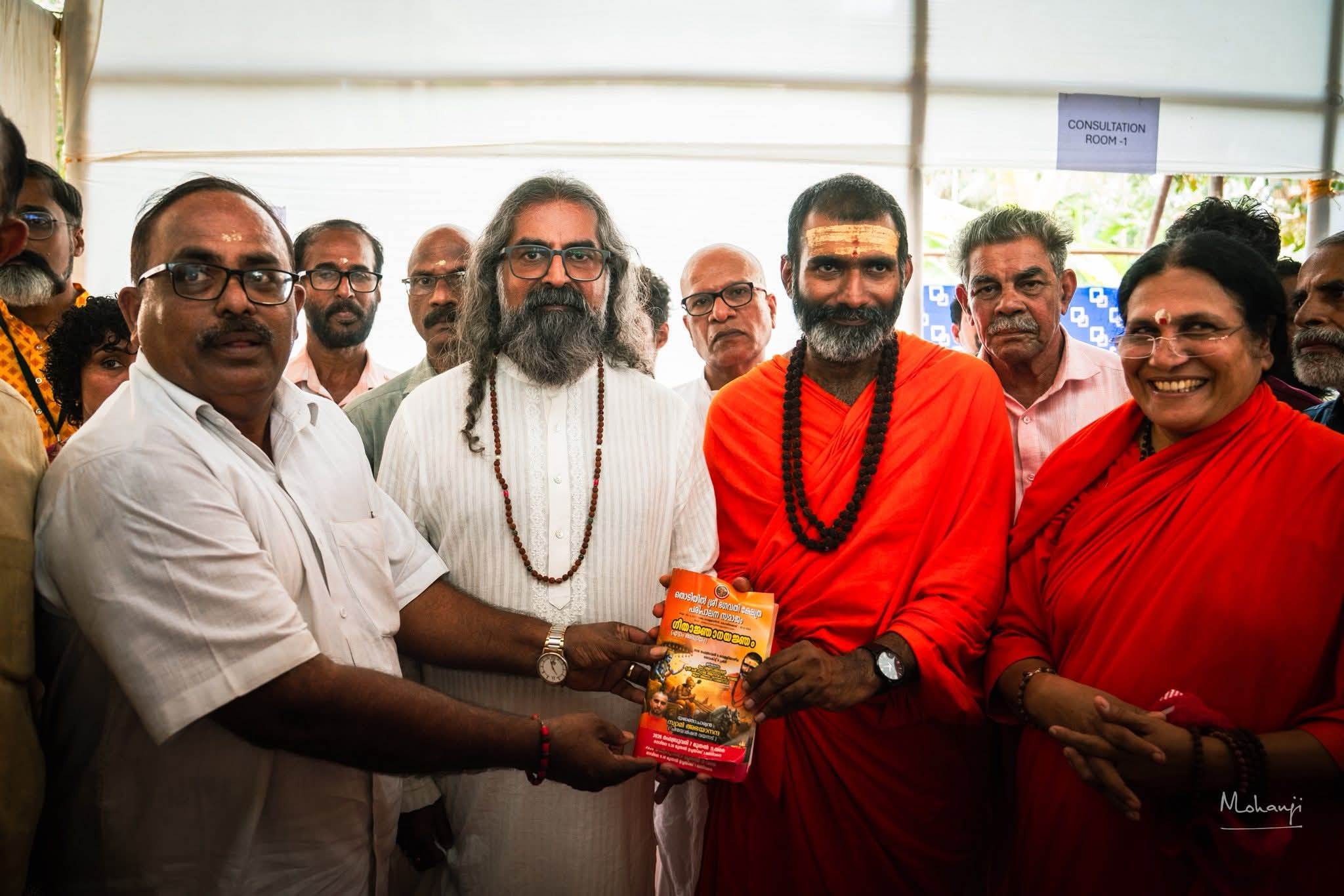
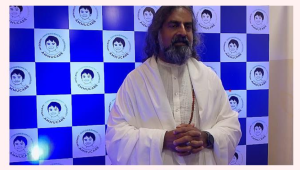
The Kumbh Mela was organised in Kerala in the month of January and February 2026 , and Mohanji was personally overseeing the entire organisational responsibility with his direct presence and blessings. This sacred event unfolded in Mohanji’s homeland, located in the Palakkad district. The river Nila (Bharathapuzha), one of Kerala’s most revered rivers, flows through this region and holds immense spiritual significance. Thirunavaya, where the Kumbh Mela is being held, is especially sanctified as a powerful centre for pitru karmas (ancestral rites), a tradition deeply rooted in the spiritual heritage of Kerala and Bharat.
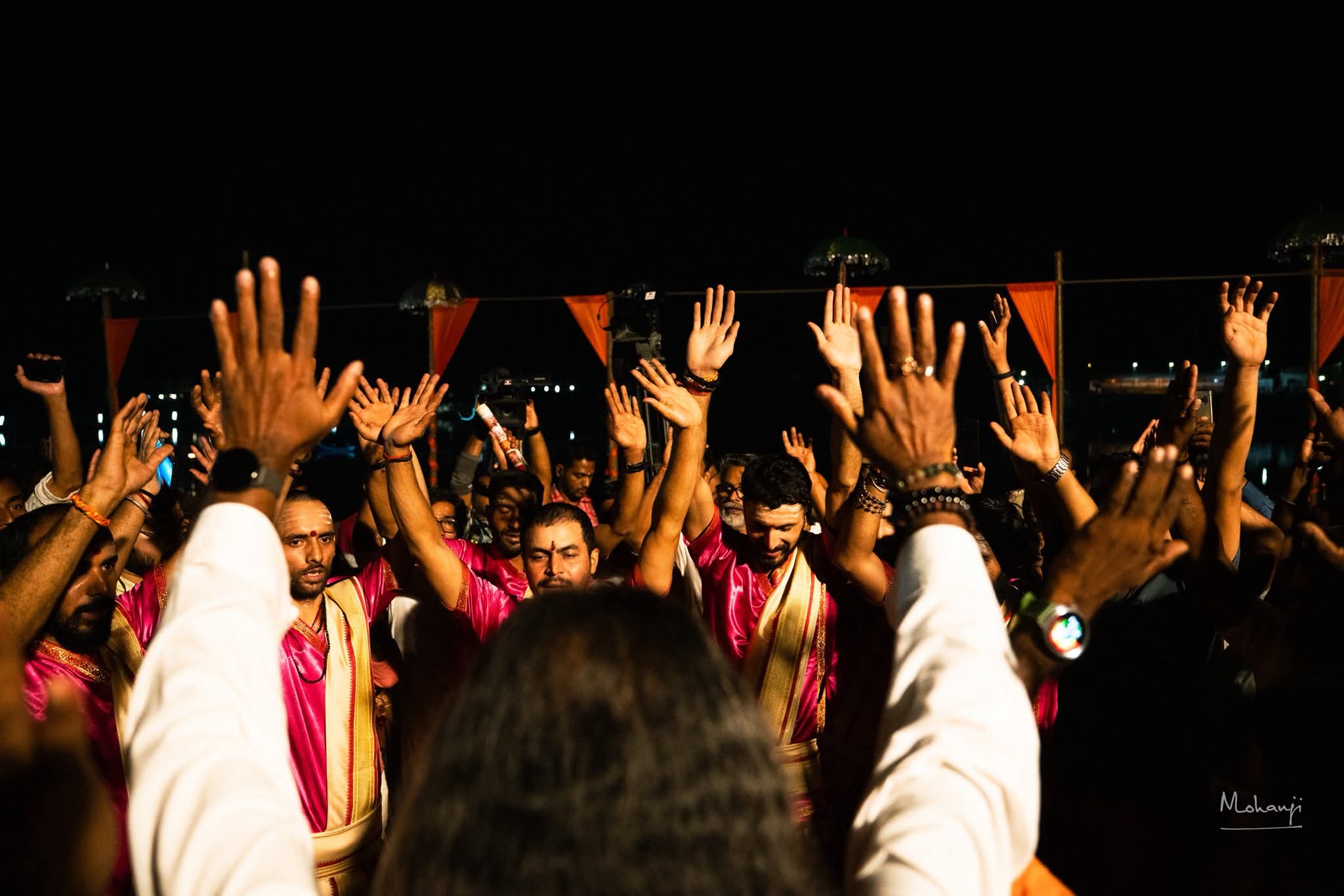
The daily Aartis during the Kumbh Mela were being performed by the very same pandits who offer the sacred Aarti at the Ganga Ghats in Varanasi. Their presence and ritual offerings bring an extraordinary depth of sanctity, carrying the living tradition of Kashi to Kerala. This convergence of sacred lineages bestows profound spiritual significance upon the Kumbh Mela, amplifying its vibrational and transformational impact for all who participate.
Thirunavaya is one of the most sacred spiritual centres of Kerala, revered for its ancient Vedic lineage, powerful ritual traditions, and deep connection with ancestral worship. Situated on the holy banks of the river Nila (Bharathapuzha), Thirunavaya is regarded as a Mahā-tīrtha—a supremely sanctified land where spiritual liberation and ancestral peace are sought together.
From time immemorial, Thirunavaya has been a foremost centre for Pitru Karmas and Bali Tarpanam. It is believed that rituals performed here reach the ancestors directly, helping them attain peace and higher realms. For this reason, Thirunavaya is often referred to as the “Gaya of the South,” comparable in sanctity to Gaya in Bihar, where ancestral rites hold unparalleled importance.
The presence of the Nila river adds immense spiritual potency. Nila is considered a life-giving and soul-purifying river, and performing sacred rites on its banks is believed to cleanse karmic debts carried across generations. The confluence of river energy, Vedic mantras, and ancestral intent makes Thirunavaya a powerful karmic release centre.
Historically, Thirunavaya was also the venue of the legendary Mamankam festival, where kings, warriors, scholars, and saints gathered, signifying not just political power but spiritual authority. This reflects Thirunavaya’s role as a meeting ground of Dharma, Shakti, and Tapasya.
The spiritual vibrations of Thirunavaya are subtle yet intense. Saints and seekers have regarded this land as ideal for penance, surrender, and inner transformation. Rituals performed here are believed to have multiplied effects, as the land itself is charged with centuries of prayers, sacrifices, and selfless offerings.
In essence, Thirunavaya is not merely a geographical location—it is a sacred gateway where the past, present, and future converge. It is a place where ancestors are honoured, karmas are released, and seekers are gently guided towards inner freedom and spiritual awakening
[18/02, 09:49] kishore mundanad: Nila Aarti – Spiritual Significance
Nila Aarti is a sacred ritual of reverence offered to the river Nila (Bharathapuzha), honouring her as a living divine presence and a witness to Kerala’s ancient spiritual heritage. Performed at dusk, the Aarti symbolises gratitude, surrender, and purification—where fire, water, mantra, and devotion merge into a single offering.
The river Nila is deeply associated with pitru karmas and ancestral liberation, especially at Thirunavaya. When the Aarti is offered, it is believed that the river carries prayers not only for the living but also for departed souls, helping cleanse inherited karmic impressions and restoring harmony across generations.
The rhythmic chanting of Vedic mantras, the glow of lamps reflected on the flowing waters, and the collective intent of devotees create a powerful spiritual field. This moment transforms the riverbank into a living temple, where seekers experience inner stillness, gratitude, and alignment with higher consciousness.
During sacred gatherings such as the Kumbh Mela, Nila Aarti attains even greater significance. The ritual becomes a bridge between North and South Indian spiritual traditions, reaffirming the timeless unity of Sanatana Dharma. It is not merely a ceremony, but a living expression of devotion, continuity, and divine grace flowing through the sacred waters of Nila.
[18/02, 09:49] kishore mundanad: When the Kumbh Mela manifests in a sacred land like Thirunavaya on the banks of the river Nila, its significance deepens further. It becomes a powerful bridge between North and South Indian spiritual traditions, reaffirming the oneness of Bharat’s spiritual heritage. Guided by the presence and blessings of realised masters, such a Kumbh becomes not just an event, but a collective spiritual elevation.
In essence, the Kumbh Mela is a sacred invitation—to pause from worldly pursuits, immerse in divine remembrance, honour ancestors, and step closer to liberation through purity, devotion, and self-awareness.
Annaprasadam Seva by Ammucare Charitable Trust Embodies Compassion at the Heart of the Kumbh
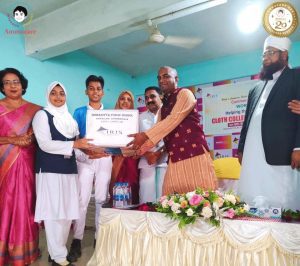
Alongside the spiritual programmes, Annaprasadam Seva by Ammucare Charitable Trust offered free meals to pilgrims, sadhus, and volunteers throughout the event. The scale of service grew steadily from 2000 to 20,000, reflecting both the rising number of attendees and the spirit of selfless giving that defines the Kumbh Mela tradition.
In the final days of the Mahotsav, Ammucare reported serving almost 50,000 meals in a single day, with Mohanji personally joining the seva, reinforcing the message that spirituality is not only worship, but also compassionate action.